Build Smarter.
Avoid Costly
Fine Print.
Plan your new construction home with clear numbers, buyer representation, mortgage strategy, builder incentive review, upgrade budgeting, timeline planning, and inspection checkpoints before you sign.
A smarter new build starts before the model home visit.
The right strategy protects your payment, cash to close, options budget, inspection timing, lender comparison, insurance planning, and resale value before emotions take over.
Know the real price
Base price, lot premium, structural options, design upgrades, closing costs, taxes, HOA, insurance, and rate all affect the true monthly payment.
Compare incentives
Builder credits, rate buydowns, closing cost help, appliance packages, and design center money should be compared side by side.
Protect the build
Pre-drywall, final walk, and 11-month warranty inspections help catch issues while the builder can still correct them.
Plan the next move
Connect the new home decision to mortgage strategy, home insurance, life protection, current-home sale timing, and long-term wealth planning.
The builder has a team.
You should have guidance too.
The builder's sales team represents the builder. A buyer-focused strategy helps you review price, incentives, upgrades, lender options, inspections, contract timelines, and the real cost of the home before you commit.
We know which incentives are actually worth taking and when to push for more. Builder incentives can be valuable, but they should be compared against payment, cash to close, lender terms, and long-term cost.
Builder contracts are usually prepared by the builder and should be reviewed carefully. Escalation clauses, appraisal gap language, change order policies, and cancellation terms all need scrutiny before you sign.
New construction still needs independent review. Pre-drywall and final inspections by a third party catch issues builders won't volunteer. We schedule them and walk through with you.
Builder's preferred lenders often aren't the most competitive. We run a side-by-side comparison so you know whether their "incentive" is actually saving you money.
"You Don't Need
an Agent For New Construction"
True in structure — but the builder factors rep fees into their pricing model. More importantly, without an agent, the builder's rep is your only source of "guidance." That's a conflict of interest by design.
Sometimes. But the incentive offer often masks a higher rate that costs you more over the life of the loan than the credit is worth. Run the lender compare calculator before deciding.
This is how buyers miss framing errors, mechanical rough-ins, and insulation gaps before the walls go up. Brand-new ≠ inspection-free. The pre-drywall phase is your only window.
The base price gets you a shell. Add lot premium, structural options, design center selections, and HOA/CDD fees — most buyers add 15–35% above base before they're done. Budget accordingly.
Six Tools to Plan
Your Entire Build.
From payment to options budget to lender comparison — every number you need before you sign or swipe a card in the design center.
| Option | Monthly Payment | Total Cost (stay period) | Value vs Market | Best For |
|---|---|---|---|---|
| Market Rate (no incentive) | — | — | — | Baseline |
| Rate Buydown (promo rate) | — | — | — | Rate |
| Cash Credit to Close | — | — | — | Cash |
| 🏗️ Builder Lender | 🏦 Outside Lender | |
|---|---|---|
| Interest Rate | — | — |
| Monthly P&I | — | — |
| Lender Fees | — | — |
| Builder Incentive | — | None |
| Net Cost at Close | — | — |
| Total Paid (stay period) | — | — |
| Interest Paid (stay period) | — | — |
| Net Winner | — | — |
See the Build Journey
Before You Live It.
This section gives the page more visual trust and helps buyers emotionally connect to the design process, inspections, builder quality, financing decisions, and move-in payoff.


Upgrades look small in the room and huge in the mortgage.
Perfect support for your options-budget calculator and the structural-vs-cosmetic decision framework.

The builder has a system. You need one too.
Great visual for lender comparison, contract review, negotiation positioning, and why representation matters from visit one.

The walls tell the truth before they hide it.
Strong support for the pre-drywall inspection message and why new construction still needs third-party review.

Progress needs monitoring, not blind trust.
Useful for reinforcing timelines, change-order awareness, and milestone walkthroughs.

The closing table should feel like a win.
Great emotional payoff visual for the final CTA and the full build roadmap experience.
Related Videos
Worth Watching.
Helpful video paths for buyers who want to move smarter before visiting communities, signing builder paperwork, or taking a lender incentive at face value.

What a pre-drywall inspection actually catches.
Great primer before buyers assume new means perfect.

Builder lender vs outside lender.
Supports your lender compare calculator and incentive-decoding angle.
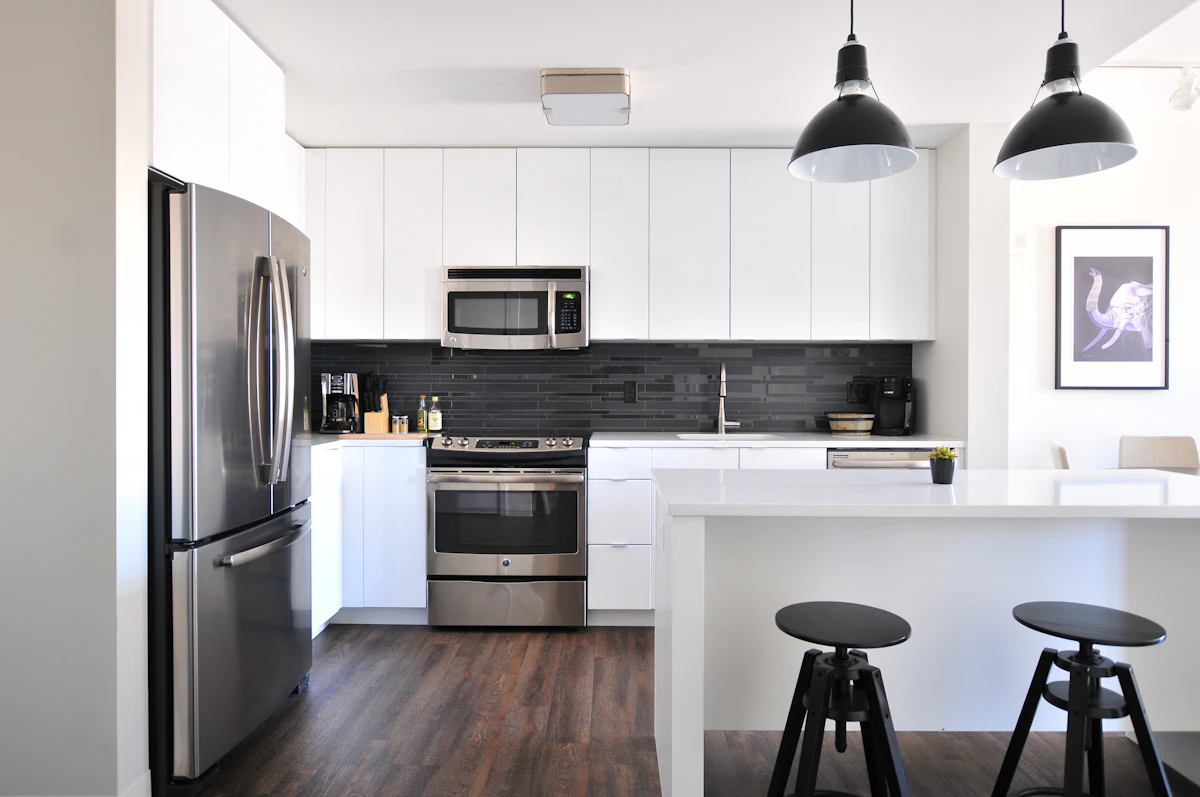
Which upgrades are worth financing and which are not.
Good educational piece before buyers hit the design center.
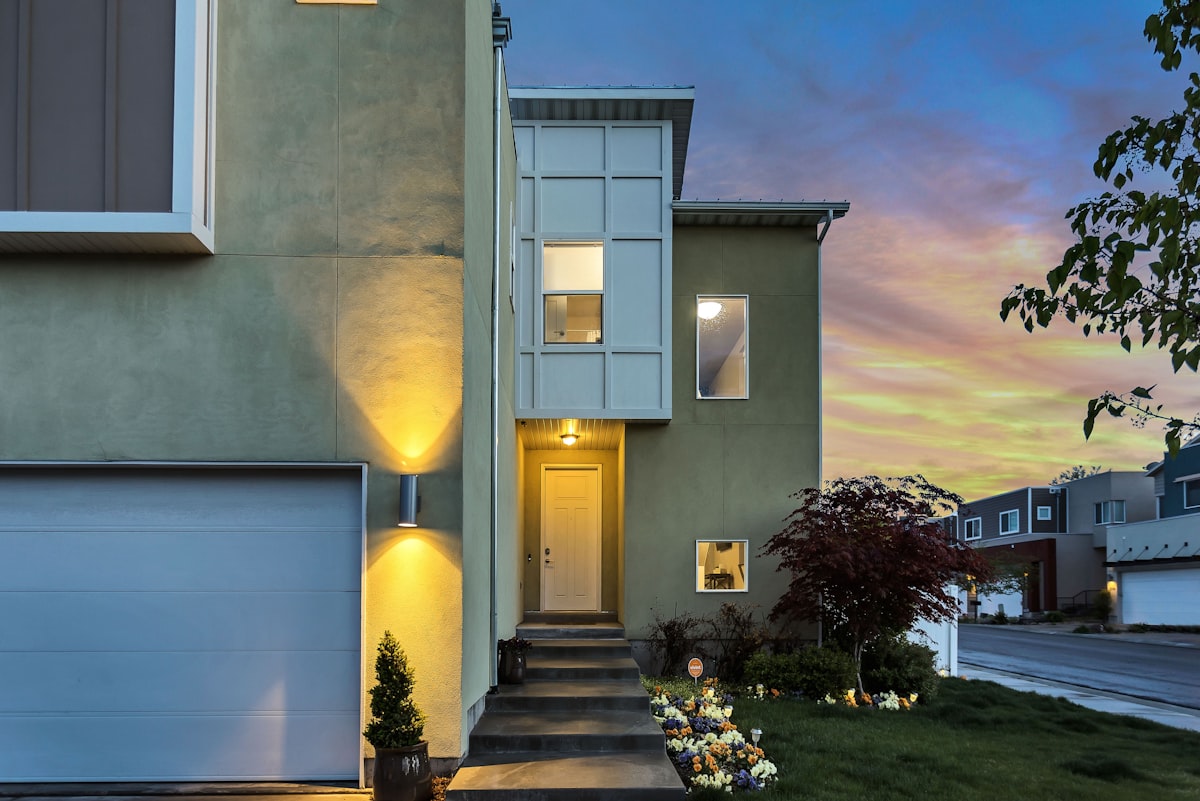
Watch the bigger homes, loans, and protection strategy.
Best bridge into your broader buyer ecosystem and brand authority.
From First Visit
to Move-In Day.
Every phase has deadlines, decisions, and traps. Know what's coming before it arrives.
Visit 3–5 communities. Compare base prices, lot premiums, standard features, HOA/CDD fees, school districts, and commute distances. Do not register at any community without your agent — it protects your representation.
Builder contracts are long and builder-friendly. Lot selection, price lock, change order policy, completion date, and cancellation terms all live here. Review before signing — not after. Deposits are often non-refundable.
This is the high-pressure spending moment. Every upgrade feels small in the room — but they add up to thousands of dollars in financed debt. Walk in with your options budget locked. Prioritize structural over cosmetic.
Builder provides frame, rough-in, and drywall checkpoints. Request access before drywall is hung — this is your only window to see what's inside the walls. Document everything with photos and video.
Your pre-closing orientation and final walk are not just tours — they are your formal opportunity to document every unfinished item, imperfection, and warranty item on the punch list. Don't rush this step.
New build rate locks are complex — construction delays can push closing past lock expiration. Confirm extension policies, cost of extensions, and float-down options before locking. Get your Closing Disclosure reviewed before signing anything.
Wire funds confirmed. Closing Disclosure matches loan estimate. Final walkthrough complete. You sign, they record, you get keys. Set calendar reminder for your 11-month warranty inspection before builder coverage expires.
Three Inspections.
Zero Skipped.
New construction still needs independent review. Every new build has issues — the question is whether you find them before or after move-in. A third-party inspector is worth every dollar.
Your only window to see inside the walls. Once drywall goes up, framing, wiring, plumbing, and insulation are hidden for the life of the home.
This is your formal punch list walk. Document every issue — cosmetic and mechanical — before you sign anything. Get all items in writing from the builder.
Most builder warranties cover workmanship for 1 year. This inspection catches settlement issues, HVAC performance, and anything that only shows with time and weather cycles.
How Prepared Are
You to Build?
10 questions covering everything buyers get wrong about new construction. Find out where you stand — before the builder finds out first.
What Builders Know
That Buyers Don't.
Leverage exists in every new construction deal. Most buyers never use it because they don't know it's there.
Builders protect the base price to preserve comparable sales for other lots. Instead, negotiate lot premium waivers, upgraded options packages, or closing cost credits — all of which are off the books from the MLS comp perspective.
Builders have sales goals tied to quarters. The last week of March, June, September, and December — builders are far more willing to throw in incentives to hit their numbers. Time your contract accordingly.
A builder's "5.99% promo rate" may have 2–3 points of cost embedded. Always ask for the APR, ask what the rate would be with zero points, and compare to an outside lender before deciding. Use the Lender Compare calculator.
Builders make 30–50% margin on design center upgrades. Flooring, counters, and cabinets can often be done by your own contractor post-close for significantly less. Spend your options budget on structural items only you can't change later.
Construction delays happen. If your rate lock expires before closing, you'll either pay extension fees or relock at current market rates. Ask your lender upfront: what's the extension policy and cost? Get it in writing before you lock.
Many builder contracts require you to close even if the home appraises below the contract price — with no contingency protection. Understand what you're waiving before you sign. This is where an agent earns their value.
New construction strategy changes by location.
Builder incentives, delivery timelines, lot premiums, HOA costs, taxes, commute value, and resale demand can vary sharply across Maryland, DC, and Northern Virginia.
Maryland New Construction
Review MMP/DPA options, county taxes, HOA fees, builder incentives, commute value, and whether a new build or resale home fits the buyer’s payment.
Montgomery County & Frederick
Pay attention to school zones, delivery timing, lot premiums, property taxes, and how far the buyer is willing to move for more space.
Prince George’s & Southern Maryland
Compare affordability, commute, builder incentives, appraisal risk, HOA rules, and first-time buyer financing options.
Northern Virginia
Review pricing, commute corridors, builder inventory, lot scarcity, HOA costs, rate buydowns, and long-term resale strength.
New Construction
Questions — Answered.
Plan Your Build
Before You Sign Anything.
One strategy call can help you compare payment, options budget, incentives, lender choices, inspection timing, insurance, current-home sale timing, and next steps before you commit.